Cottage Food Laws Explained: Can You Sell Food From Home?
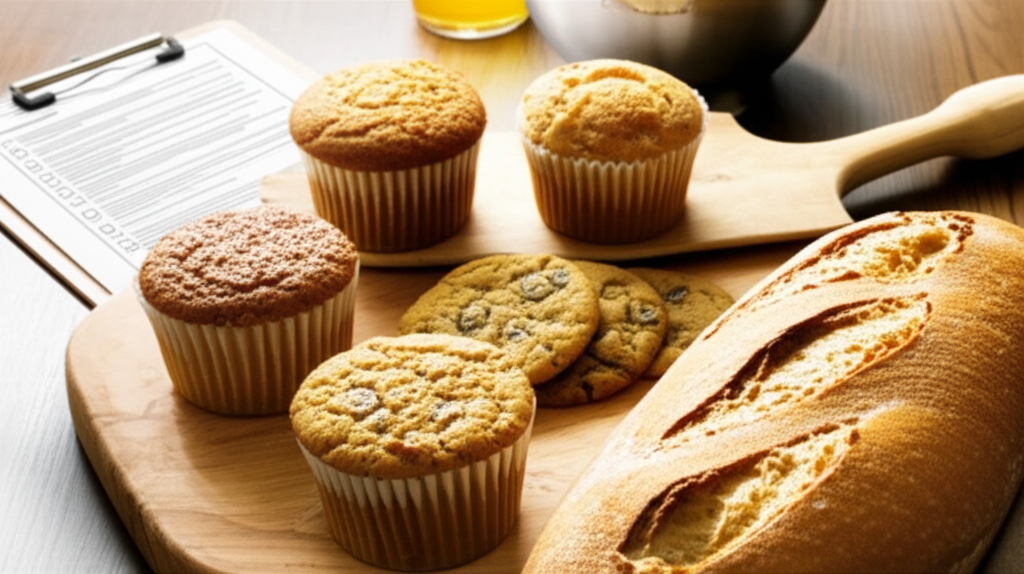
"Can I legally sell food made in my home kitchen?" It's one of the most common questions aspiring food entrepreneurs ask. The answer depends on where you live, what you're selling, and how you're selling it. Let's break it down.
What Are Cottage Food Laws?
Cottage food laws (sometimes called home bakery laws or homemade food laws) allow individuals to prepare and sell certain foods from home kitchens without a commercial license or professional kitchen.
These laws exist because legislators recognized that requiring full commercial compliance for someone selling cookies at a farmers market was excessive and prevented legitimate small-scale food businesses.
What Cottage Food Laws Typically Allow
While specifics vary by location, cottage food laws generally permit:
Usually Allowed:
- Baked goods (bread, cookies, cakes, muffins)
- Candies and confections
- Jams and jellies (high acid, high sugar)
- Dried herbs and spices
- Dry pasta
- Granola and trail mix
- Popcorn
- Coffee and tea
- Foods requiring refrigeration
- Meat and poultry products
- Dairy products (with some exceptions for certain cheeses)
- Canned vegetables (low acid foods)
- Prepared meals
- Anything requiring temperature control
- no wholesale to stores or restaurants.
- Name of product
- Name and address of producer
- Ingredient list
- Allergen warnings
- Statement that the product was made in a home kitchen
- Country
- State/Province
- Sometimes county or city
- You are a business selling products
- Profit is the primary goal
- Subject to food business regulations
- Requires compliance with cottage food laws
- You're sharing food with neighbors
- Cost recovery, not profit, is the primary goal
- Operates more like splitting groceries with friends
- Different regulatory framework
- you're sharing meals you've prepared and splitting the grocery costs with neighbors.
- share your famous lasagna, chicken curry, or beef stew.
- you're being a good neighbor who happens to recoup their grocery costs.
- You want to sell specific products at scale
- You plan to sell at farmers markets or events
- You want to eventually grow into a larger food business
- Your product is shelf-stable (baked goods, preserves)
- You want to share prepared meals
- You're cooking anyway and want to reduce waste
- You want minimal regulatory overhead
- You're focused on your immediate neighborhood
- Flexibility matters more than scaling up
- Practice proper hand washing
- Maintain clean cooking surfaces
- Store foods at safe temperatures
- Avoid cross-contamination
- When in doubt, throw it out
- List all ingredients (for allergy purposes)
- Be honest about preparation methods
- Respond to questions promptly
- Don't prepare foods you're not confident making
- Start small and build from there
- Get feedback and improve
- More local food options
- Connections with food producers
- Alternatives to corporate food systems
- Affordable home-cooked meals
- Research your local laws
- Know what applies in your area 2. Decide your approach
- Commercial cottage food or casual meal sharing? 3. Start small
- Test the waters before going big 4. Focus on quality
- Whatever path you choose, make food you're proud of
Usually NOT Allowed:
Common Restrictions
Even for allowed foods, cottage food laws typically include:
Sales Limits
Many states cap annual revenue ($25,000-$75,000 is common). Some have no limit.
Direct Sales Only
Most require selling directly to consumers
Labeling Requirements
Labels must typically include:
Geographic Limits
Some states restrict sales to your home state only.
Training Requirements
Some states require food safety courses before selling.
How to Find Your Local Laws
Cottage food regulations vary significantly by:
In the US: Search "[Your State] cottage food law" or check your state's Department of Agriculture website.
Internationally: Search for home-based food business regulations in your country.
Cottage Food vs. Meal Sharing: What's the Difference?
Here's where things get interesting. Cottage food laws govern commercial food sales. But there's another model entirely: food sharing.
Commercial Food Sales (Cottage Food)
Food/Meal Sharing (Cost-Sharing)
Platforms like SplitDinner operate under this meal-sharing model. You're not running a food business
Why This Distinction Matters
The meal-sharing approach has several advantages:
No Product Restrictions
Cottage food laws prohibit prepared meals, anything requiring refrigeration, and most proteins. Meal sharing has no such restrictions
Simpler Compliance
No labeling requirements, no annual revenue limits, no specific training mandates (though food safety knowledge is always valuable).
More Natural Fit
If you're already cooking dinner and simply making extra to share, you're not "running a business"
When to Choose Each Path
Choose Cottage Food Business When:
Choose Meal Sharing When:
Best Practices Regardless of Approach
Whether you're starting a cottage food business or sharing meals with neighbors:
Food Safety First
Communicate Clearly
Know Your Limits
The Bigger Picture
The rise of cottage food laws and meal-sharing platforms reflects a broader cultural shift. People want:
Both cottage food businesses and meal-sharing platforms serve these desires in different ways. Choose the path that fits your goals, your products, and your local regulations.
Next Steps
The legal landscape continues to evolve as more people embrace home-based food production. Stay informed, stay safe, and happy cooking.