
Healthy Homemade Meals vs Ultra-Processed Food
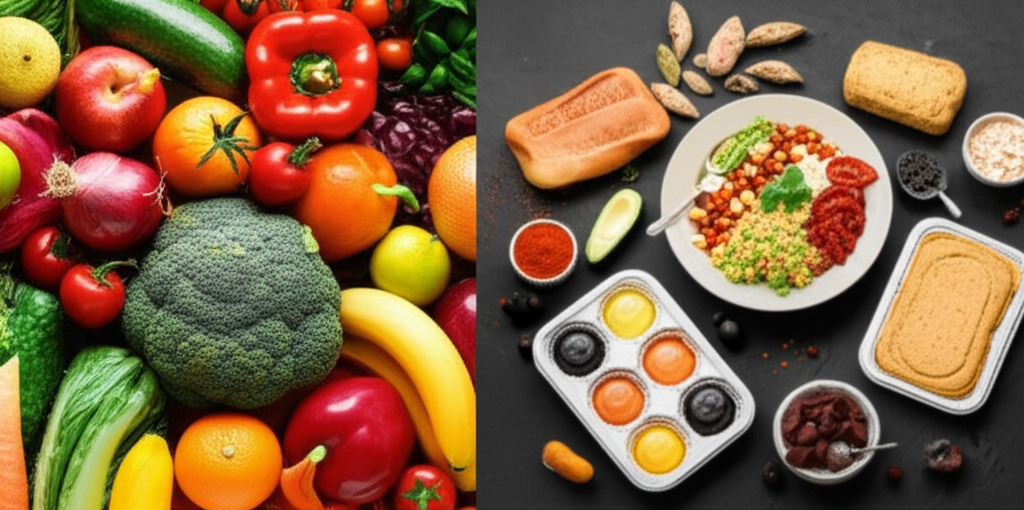
You've heard that home cooking is healthier than processed food. But why, exactly? And what counts as "processed" anyway? Let's look at the science and practical implications for your health.
Understanding Food Processing
Not all processing is equal. There's a spectrum:
Unprocessed or Minimally Processed
Fresh fruits, vegetables, meat, eggs, milk, grains in their natural state.
Processed Culinary Ingredients
Oil, butter, sugar, salt, flour
- used to prepare fresh foods.
- combinations of sugar, fat, and salt that override natural satiety signals. You eat more than you need.
- Fiber
- Vitamins
- Minerals
- Beneficial plant compounds
- Gut microbiome disruption
- Inflammation
- Metabolic dysfunction
- Obesity - Multiple large studies show strong correlation
- Type 2 diabetes - 10% increase in UPF consumption = 15% higher diabetes risk
- Heart disease - Higher rates of cardiovascular events
- Cancer - Particularly colorectal cancer
- Depression - Higher consumption linked to worse mental health
- Premature death - Multiple studies show increased all-cause mortality
- vegetables, proteins, grains in recognizable form.
- modern life is busy. But consider:
- pre-cut vegetables, rotisserie chicken, canned beans. These are minimally processed time-savers, not ultra-processed foods.
- it's literally someone's dinner that they made extra of. Real ingredients, real cooking, real food.
- Ingredients lists longer than 5-10 items
- Ingredients you don't recognize
- Multiple types of sugar (ending in -ose)
- Artificial colors (Yellow 5, Red 40, etc.)
- "Natural flavors" (often not so natural)
- Emulsifiers (carrageenan, cellulose gum)
- Preservatives (BHA, BHT, TBHQ)
- Instead of: Ultra-processed most meals, home-cooked occasionally
- Toward: Home-cooked most meals, ultra-processed occasionally
- Cook one more meal at home this week than you did last week
- Replace one packaged snack with whole food (fruit, nuts, vegetables)
- Read labels on your regular purchases
- know what you're eating 4. Explore meal sharing as a way to eat home-cooked food without cooking
- Be patient
- taste preferences adapt over time
Processed Foods
Canned vegetables, cheese, fresh bread, simple preserved foods. Usually 2-3 ingredients.
Ultra-Processed Foods
Industrial formulations with 5+ ingredients, many of which you wouldn't find in a home kitchen: high-fructose corn syrup, hydrogenated oils, protein isolates, emulsifiers, artificial flavors and colors.
It's the ultra-processed category that concerns health researchers.
What Makes Ultra-Processed Foods Problematic
Engineered to Overconsume
These foods are designed for "hyperpalatability"
Nutrient Poor
Despite high calories, ultra-processed foods often lack:
They fill you up without nourishing you.
Additives of Concern
Emerging research links certain additives to:
Rapid Absorption
Highly processed ingredients absorb quickly, spiking blood sugar and insulin levels.
The Research on Ultra-Processed Foods
Studies increasingly link ultra-processed food consumption to:
This isn't about occasional treats. It's about diets dominated by ultra-processed foods.
What Home Cooking Gets Right
When you cook at home, you naturally avoid most ultra-processed food problems:
Ingredient Control
You know exactly what's in your food. No mystery additives, no hidden sugars, no industrial ingredients you can't pronounce.
Appropriate Portions
Home-cooked meals typically come in reasonable portions, unlike restaurant-sized servings engineered for value perception.
More Whole Foods
Cooking from scratch inherently involves more whole ingredients
Natural Flavor
Instead of artificial flavors, you use herbs, spices, and cooking techniques to create satisfying taste.
Mindful Eating
The process of cooking connects you to your food, making mindless overconsumption less likely.
The Numbers
A typical home-cooked dinner vs. its ultra-processed equivalent:
| Factor | Homemade Chicken Dinner | Frozen Processed Dinner |
|--------|------------------------|------------------------|
| Sodium | 400-600mg | 800-1500mg |
| Added sugar | 0-5g | 5-15g |
| Fiber | 5-10g | 1-3g |
| Additives | 0 | 15-30 |
| Calories | 400-600 | 500-900 |
Home cooking wins on virtually every nutritional measure.
"But I Don't Have Time to Cook"
This is the most common objection. And it's valid
Meal Prep
Cook once, eat multiple times. A Sunday cooking session provides weekday meals.
Simple Recipes
A healthy meal can take 20 minutes. Grilled protein + roasted vegetables + grain. Done.
Strategic Convenience
Some shortcuts are fine
Meal Sharing
Here's an option many overlook: let neighbors cook for you.
Platforms like SplitDinner connect you with home cooks in your area. You get home-cooked, real-food meals without cooking yourself. It's the nutritional benefits of home cooking with the convenience of takeout.
This isn't processed food
Making the Shift
You don't need to eliminate all processed foods overnight. Try:
Week 1-2: Awareness
Read labels. Notice how many ingredients are in packaged foods. Identify your ultra-processed staples.
Week 3-4: Substitution
Replace one ultra-processed meal per day with a home-cooked or minimally processed alternative.
Month 2: Expansion
Increase home-cooked meals to at least once daily. Try meal prepping.
Month 3+: New Normal
Make home-cooked food your default, processed food the occasional exception.
Reading Labels: Red Flags
Watch for these ultra-processing indicators:
The more of these, the more processed the product.
The Bigger Picture
This isn't about perfection or food anxiety. Occasional processed foods are fine. The goal is shifting your baseline:
That shift alone produces meaningful health improvements.
Practical Next Steps
Your body evolved eating real food. It knows what to do with ingredients it recognizes. Give it more of what it was designed for, and it will thank you with better health.