
How to Meet Your Neighbors: 10 Simple Community Ideas
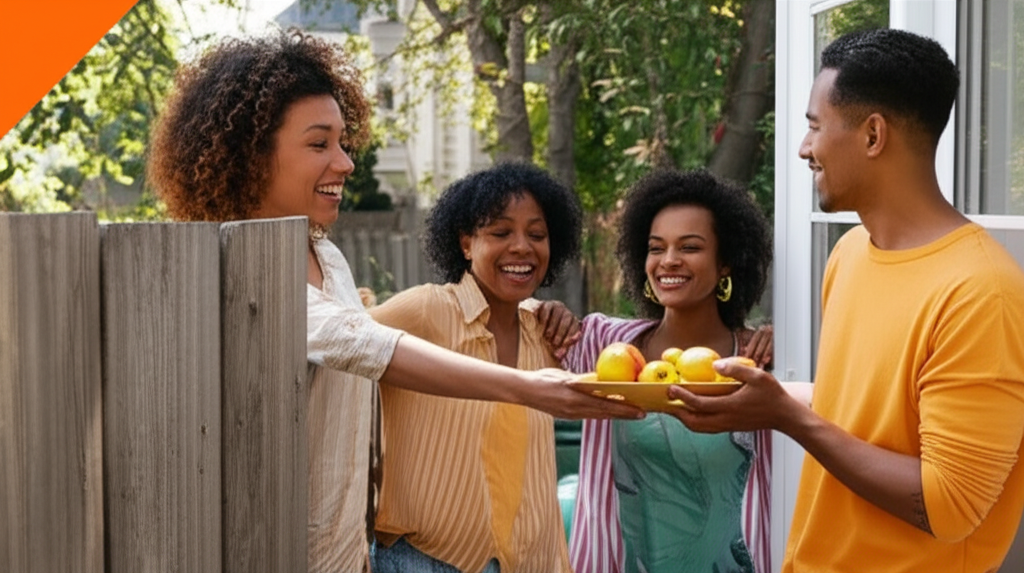
In an era of digital connection, many of us feel more disconnected from our physical neighbors than ever. We might have thousands of online friends but not know the name of the person next door. Here's how to change that.
Why Neighbor Connections Matter
Strong neighborhood ties provide:
- Safety and security - Neighbors who know each other look out for each other
- Practical support - Package pickup, pet care, emergency help
- Mental health benefits - Combating isolation and loneliness
- Better quality of life - Neighborhoods with social ties are happier places
- Resilience - Communities weather challenges better together
- Simply Introduce Yourself
- Make eye contact and smile
- Say hello and introduce yourself
- Ask how long they've lived there
- Find one thing in common
- Spend Time in Shared Spaces
- Sit on your front porch or stoop
- Walk your dog at consistent times
- Use your front yard instead of the backyard
- Linger at the mailbox
- Host a Simple Gathering
- A weekend morning coffee on the driveway
- A summer evening with lawn chairs and lemonade
- A holiday cookie exchange
- A "meet the neighbors" potluck
- Join (or Start) a Neighborhood Group
- Nextdoor or Facebook neighborhood groups
- Neighborhood association meetings
- Community garden plots
- Local volunteer organizations
- Offer Help
- Bring in a neighbor's trash cans
- Offer to water plants during vacation
- Help shovel snow or rake leaves
- Share tools or equipment
- Share What You Have
- Dropping off extra garden vegetables
- Sharing baked goods around holidays
- Offering extra portions when you cook large meals
- using food to build neighborhood connections while being practical about costs.
- Start a Regular Activity
- Weekly walking group
- Monthly book club
- Seasonal block parties
- Regular "porch happy hours"
- Support Neighborhood Businesses
- Become a regular
- Strike up conversations with other regulars
- Attend local business events
- Be Present for Neighborhood Events
- Block parties and street fairs
- Garage sale days
- Holiday celebrations
- Emergency meetings
- Use Neighborhood Apps Intentionally
- Ask questions that invite response
- Offer help or items
- Respond to others' posts
- Convert online connections to in-person meetings
- walking to your car, getting mail, taking out trash. No extra time required.
- you live in the same place. Start there. Deeper connections often emerge from unexpected places.
- Breaking bread with strangers makes them friends
- Shared meals create shared memories
- Feeding others is a fundamental act of care
- whether you cooked it or they did - you're participating in humanity's oldest community ritual.
- it's about the connection.
- One introduction per week to someone you see but don't know
- One act of kindness per month for a neighbor
- One food-sharing gesture per season
- cookies at holidays, garden vegetables in summer
- A network of people who have your back
- A sense of belonging where you live
- Practical help when you need it
- A richer, more connected life
Research shows that knowing your neighbors is one of the strongest predictors of neighborhood satisfaction.
10 Ways to Meet Your Neighbors
The most straightforward approach is often overlooked. Next time you see a neighbor:
It feels awkward at first, but most people appreciate the effort.
You can't meet neighbors from inside your house. Be visible:
Visibility creates opportunities for organic conversation.
It doesn't need to be elaborate:
Invite the 5-10 households nearest you. Keep it low-key and pressure-free.
These provide structure for meeting people with similar interests in your area.
Look for opportunities to be useful:
Small acts of kindness open doors to conversation and relationship.
One of humanity's oldest community-building traditions is sharing food. Consider:
Food is universal. Everyone eats. Sharing meals breaks down barriers like nothing else.
This is actually the founding principle behind meal-sharing platforms like SplitDinner
Recurring activities build relationships over time:
Consistency matters more than scale.
If your area has local shops, cafes, or services:
These become informal community gathering points.
When community events happen, show up:
Physical presence signals you're invested in the neighborhood.
Digital tools can facilitate real-world connection:
Technology should support, not replace, face-to-face interaction.
Overcoming Common Barriers
"I'm Introverted"
You don't need to be the life of the party. Focus on one-on-one or small group interactions. Quality over quantity.
"I'm Too Busy"
Start with interactions that happen during existing activities
"My Neighbors Seem Unfriendly"
Many people are just shy or busy, not unfriendly. Someone has to make the first move. Why not you?
"I've Lived Here for Years Without Knowing Anyone"
It's never too late. The best time to start was years ago. The second best time is today.
"Nothing in Common"
You have at least one thing in common
The Food Connection
Throughout human history, food has been the foundation of community building:
Modern meal-sharing takes this ancient tradition and makes it practical for busy lives. When you share a meal with a neighbor
Platforms like SplitDinner facilitate this exchange: cooks share their meals, neighbors enjoy home-cooked food, and real relationships form over time. The transaction isn't really about the money
Start Small, Stay Consistent
You don't need to become the neighborhood social director. Start with:
Within a year, you'll know far more people than you did before.
The Reward Is Worth the Effort
Building neighborhood connections requires stepping outside your comfort zone. But the payoff is substantial:
Your neighborhood is full of interesting people with stories to share and help to offer. All you have to do is start talking to them.