
How to Reduce Food Waste at Home: 12 Practical Tips
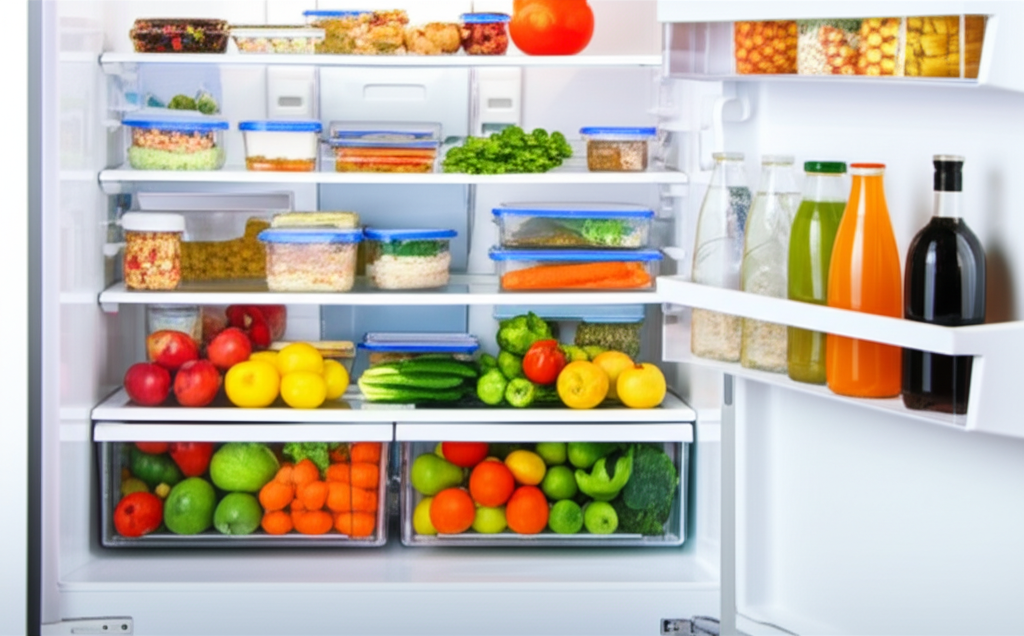
The average household throws away $1,500 worth of food every year. That's not just money in the trash
- it's wasted resources, wasted time, and unnecessary environmental impact. Here are 12 practical ways to cut your food waste dramatically.
- 40% of food in America goes uneaten
- Food waste is the largest component of landfills
- Wasted food means wasted water, energy, and labor
- Your grocery budget is literally going in the garbage
- Plan Your Meals
- Check what you already have
- Plan meals around what needs to be used
- Make a specific shopping list
- Stick to the list
- Understand Expiration Dates
- Sell by: Store guidance, not consumer safety
- Best by: Quality suggestion
- Use by: More serious, but still use judgment
- Store Food Properly
- Keep fruits and vegetables in appropriate humidity
- Store herbs like flowers - stems in water
- Don't wash berries until ready to eat
- Keep bananas separate (they speed ripening)
- Use airtight containers for leftovers
- Embrace "Ugly" Produce
- Master the Freezer
- Freeze bread before it goes stale
- Freeze ripe bananas for smoothies
- Freeze leftover portions in meal-sized containers
- Freeze vegetable scraps for stock
- Label everything with dates
- Practice FIFO
- organize your fridge and pantry so older items are in front. Use them first.
- Get Creative with Leftovers
- Rice becomes fried rice
- Roasted vegetables become soup
- Meat becomes sandwiches or tacos
- Bread becomes breadcrumbs or croutons
- Right-Size Your Portions
- Use smaller plates
- Start with less, get more if needed
- Save leftovers immediately rather than leaving them out
- Compost What You Can't Eat
- Shop More Frequently
- Audit Your Waste
- What items?
- Why (spoiled, didn't like, made too much)?
- How much?
- Share Your Extras
- Eat the same thing for days (boring)
- Watch it slowly spoil in the fridge (wasteful)
- Recipes that don't scale down well
- When you accidentally buy too much of an ingredient
- Dishes that taste best fresh (not reheated for days)
- Current waste: $180/month
- Reduced waste: $60/month
- Annual savings: $1,440
- Plan your meals before shopping
- Use your freezer as a preservation tool
- Share extras instead of wasting them
- We spend less money
- We reduce environmental impact
- We appreciate our meals more
- We connect with our community (through sharing)
Why Food Waste Matters
Before the tips, let's understand the scope:
Reducing food waste is one of the easiest ways to save money AND help the planet.
12 Ways to Reduce Food Waste
The single most effective strategy. Before shopping:
Impact: Can reduce food waste by 25% or more
"Best by" doesn't mean "toxic after." These dates indicate peak quality, not safety.
Trust your senses: if it looks, smells, and tastes fine, it probably is.
Proper storage extends life significantly:
Cosmetically imperfect fruits and vegetables are just as nutritious and delicious. Many stores now sell them at a discount.
Your freezer is a pause button:
"First In, First Out"
Yesterday's dinner becomes today's lunch:
Cook and serve appropriate amounts:
For unavoidable waste (peels, cores, spoiled food), composting keeps it out of landfills and creates useful soil.
Counterintuitive, but smaller, more frequent shopping trips can reduce waste. You buy what you need for the next few days rather than optimistically stocking up.
For one week, track everything you throw away:
This awareness alone changes behavior.
Here's a strategy many people overlook: share extra food with your neighbors.
When you cook a full recipe but only need half, you have two choices:
Or option three: share it through meal-sharing platforms like SplitDinner. Your neighbors get a home-cooked meal, you recoup your ingredient costs, and nothing goes to waste.
This is especially valuable for:
The Economics of Waste Reduction
If you currently waste 30% of your groceries and cut that to 10%:
Monthly grocery budget: $600
That's real money back in your pocket.
Small Changes, Big Impact
You don't need to implement all 12 strategies at once. Start with two or three:
These three habits alone can cut your food waste in half.
Beyond Your Kitchen
Reducing food waste is part of a larger shift toward mindful consumption. When we waste less food:
The food you buy represents time, money, and resources. Treat it with the respect it deserves.